In real estate, branding and performance marketing are often treated like separate efforts. One team handles the visuals, another runs campaigns, and someone else builds the website. The result is usually the same: polished assets, but no real system tying them together.
That disconnect creates bigger problems than most owners expect: inconsistent messaging, brand drift across multiple partners and commercial properties, and marketing that looks strong on the surface but does not clearly support leasing, engagement, or growth. These efforts can be made significantly more effective when treated as one cohesive real estate marketing strategy.
What Place Branding Means in Real Estate
Place branding is more than naming a property and designing a logo. It is about creating a clear identity for a building, campus, district, or portfolio. A content strategy that works across every touchpoint — brochures, websites, films, social media, signage, investor materials, and more is the foundation for effectively selling commercial property.
When it is done well, it helps a project stand out, shortens leasing timelines, and creates a stronger emotional connection to the location. Projects like The Penrose in Denver and The Stacks in Washington, D.C. show how a consistent real estate brand strategy can support real business goals, not just visual ones

Why Branding and Performance Marketing Should Work Together
A common mistake is treating branding and performance as separate steps in a sequence: first build the brand, then launch the campaigns. In reality, the two should be developed simultaneously.
A paid campaign built on weak creative will not convert. A strong brand film with no distribution strategy will not go very far. The best results happen when the storytelling, visuals, channels, and goals all work as one system.
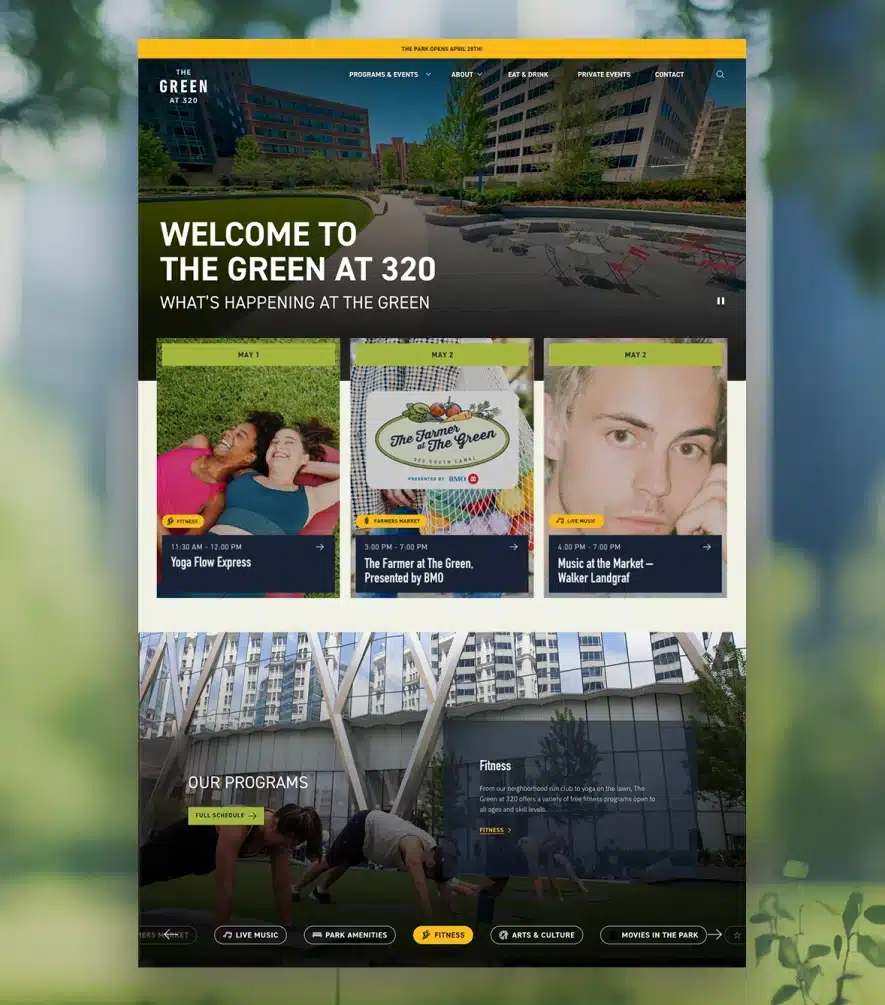
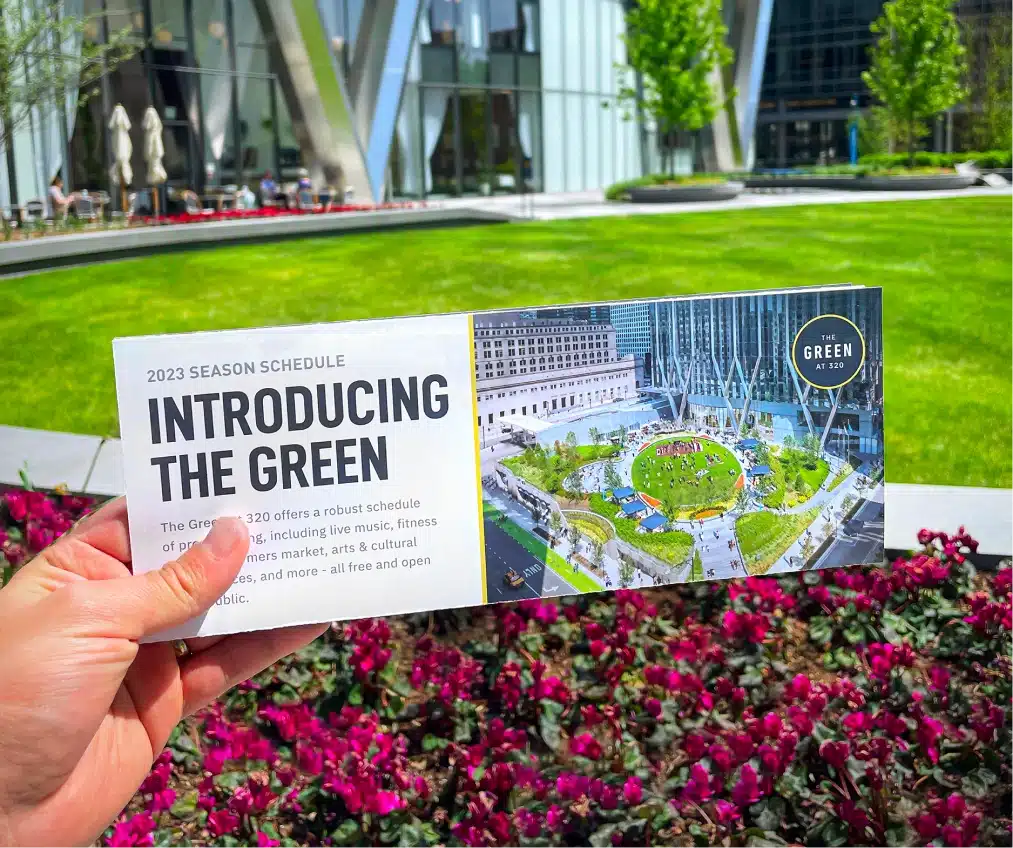
That is what happened with The Green at 320 in Chicago. By combining branding, social media, SEO, email, and influencer support into one connected content marketing strategy, the project built audience growth, traffic, and broader visibility.
Why Brand Governance Matters for Real Estate Portfolios
This becomes even more important for portfolios, joint ventures, and multi-asset developments. Without clear brand standards, things start to drift. Local teams improvise. New vendors reinterpret the work. Consistency breaks down. The message that property owners and managers want to be bringing to their audiences gets lost and the commercial property branding becomes a confusing mess
That is why brand governance matters. Strong branding should include systems: standards, templates, architecture, and rules for adaptation. For Pathway by King Street Properties, Neoscape built a scalable portfolio brand system that helped maintain consistency while supporting long-term digital performance.
The Future of Real Estate Marketing
Real estate and commercial property branding does not need more disconnected marketing. It needs partners who understand how brand, content, and performance all work together.
That is the space Neoscape operates within. Where storytelling, systems, and business goals all point in the same direction.